
11/04/2025
The Importance of Eyeglasses: How Clear Vision Enhances Health, Learning, and Daily Life
Eyeglasses have long stood as one of humanity’s most remarkable inventions, blending the precision of medical science with the artistry of design. They are far more than just a fashion statement or an accessory; they are essential tools that empower individuals to interact with the world clearly and confidently. In a world that increasingly depends on visual information—from reading screens to navigating complex environments—the importance of eyeglasses cannot be overstated. They play a critical role in maintaining vision health, supporting education and productivity, enhancing safety, and improving overall well-being. The transformative power of a pair of glasses lies in their ability to bring the world into focus, both literally and figuratively.
The human eye, though an extraordinary organ, is not without imperfections. Refractive errors—conditions where light entering the eye does not focus properly on the retina—are among the most common visual impairments worldwide. Myopia, or nearsightedness, affects individuals who can see close objects clearly but find distant ones blurry. Hyperopia, or farsightedness, presents the opposite problem, while astigmatism causes vision to appear blurred at all distances due to irregular curvature of the cornea or lens. As people age, presbyopia naturally develops, making it harder to focus on nearby objects. Eyeglasses provide a simple yet effective solution to all these conditions by adjusting how light enters the eye, allowing it to focus properly. This small correction can make the difference between a life of limitation and one of clarity and confidence.
Globally, vision problems are among the most widespread health concerns. According to estimates from the World Health Organization, more than 2.7 billion people need vision correction, and shockingly, nearly half do not have access to the eyeglasses they require. This lack of access is not just a matter of inconvenience—it is a global health crisis with profound economic, educational, and social consequences. In many developing regions, poor vision prevents children from succeeding in school and adults from working effectively. Even in more developed countries, millions suffer from undiagnosed or untreated vision problems due to lack of awareness or affordability barriers. The ripple effect of uncorrected vision extends to every aspect of human life, underscoring the vital importance of ensuring that everyone has access to clear sight.
For children and students, eyeglasses can be life-changing. Vision plays a foundational role in learning, as nearly 80 percent of what children learn in school is presented visually. When a child cannot see the board clearly or struggles to read printed text, their academic performance inevitably suffers. Often, these students are misdiagnosed with learning disabilities or behavioral problems when the real issue lies in something as simple as uncorrected vision. Once eyeglasses are introduced, the change can be immediate and dramatic—students become more engaged, attentive, and confident. The ability to see clearly not only improves learning outcomes but also fosters curiosity, creativity, and participation, setting the foundation for lifelong success. In this way, eyeglasses are not merely medical devices—they are instruments of empowerment that open doors to education and opportunity.
In the world of work, the importance of eyeglasses is equally profound. Virtually every profession, whether it involves physical labor, digital technology, or creative arts, depends on clear vision. For surgeons, engineers, artists, or pilots, precision is everything, and even minor vision errors can have serious consequences. In office settings, prolonged computer use is now the norm, leading to widespread digital eye strain. Eyeglasses designed for computer work or equipped with blue-light filters help reduce fatigue and improve comfort during long hours of screen time. Employees with properly corrected vision are generally more productive, make fewer mistakes, and experience less frustration and burnout. From a business standpoint, ensuring that workers have access to regular eye exams and corrective eyewear is not just a health benefit—it’s a practical investment in workplace performance and safety.
Beyond education and employment, eyeglasses are central to maintaining safety and independence in daily life. Clear vision is crucial for driving, operating machinery, and navigating public spaces. Drivers with uncorrected vision are significantly more likely to be involved in accidents, posing risks to themselves and others. Eyeglasses not only improve reaction time and depth perception but also enhance awareness of environmental cues like signs, signals, and hazards. For older adults, proper vision correction reduces the risk of falls, helps maintain balance, and supports continued independence. The ability to move safely and confidently through the world is fundamental to one’s dignity and quality of life, and eyeglasses make this possible for millions of people every day.
The psychological and social benefits of clear vision are often overlooked but are equally powerful. When people regain the ability to see clearly, they experience a profound emotional transformation. Simple joys—like recognizing a loved one’s face from across the room, appreciating the details of nature, or enjoying a favorite book—become sources of happiness and connection once more. Many individuals who have lived with blurry vision for years describe their first experience wearing eyeglasses as seeing the world in high definition. This restoration of clarity brings renewed confidence, reduces anxiety in social settings, and enhances overall self-esteem. For older adults, who may already face isolation or cognitive decline, the ability to engage visually with their environment can reduce loneliness and improve mental health. Eyeglasses thus serve not only the eyes but also the heart and mind, reconnecting individuals with the world around them.
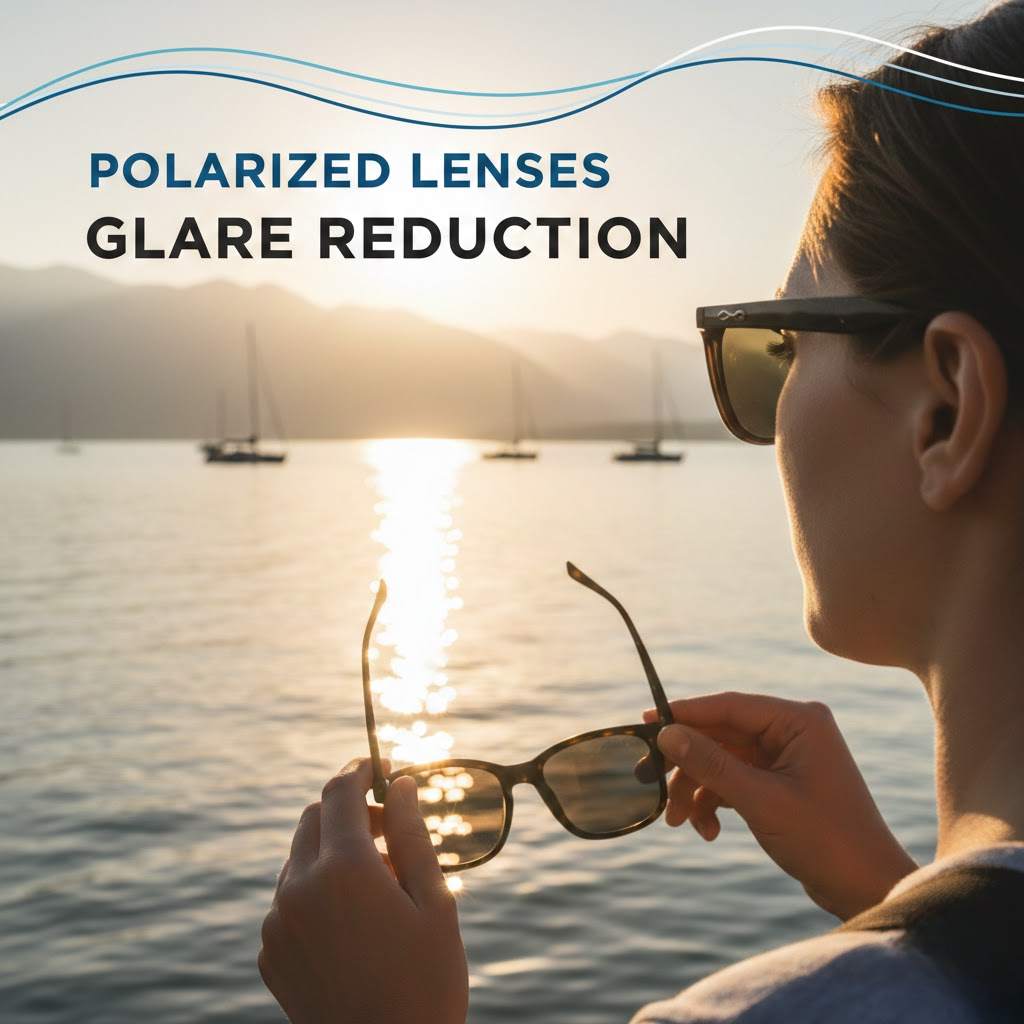
Another key benefit of eyeglasses lies in their ability to prevent or alleviate physical discomfort. Uncorrected vision often forces the eyes to work harder to focus, leading to chronic eye strain, headaches, and fatigue. In the digital age, where people spend hours staring at screens, these problems have become increasingly common. Properly prescribed eyeglasses can significantly reduce eye strain by allowing the eyes to focus naturally and comfortably. Specialized lenses now exist that filter blue light, reduce glare, and optimize focus for intermediate distances—ideal for computer users. For many people, the introduction of the right pair of glasses leads to an almost immediate reduction in headaches and tension, improving overall comfort and concentration. In this sense, eyeglasses are not just tools for vision correction but also for maintaining daily comfort and wellness in an increasingly visual world.
Technological innovation has also transformed what eyeglasses can do. Modern lenses are far more advanced than their historical counterparts, offering customized solutions for almost every need. Progressive lenses eliminate the visible line found in bifocals, allowing wearers to see clearly at all distances with seamless transitions. Anti-reflective coatings reduce glare from headlights or computer screens, enhancing visual clarity and comfort in low-light conditions. Photochromic lenses automatically adjust their tint based on surrounding light levels, protecting eyes from harmful ultraviolet rays while adapting to both indoor and outdoor environments. Sports enthusiasts benefit from impact-resistant lenses designed to enhance contrast and depth perception, while professionals in specialized fields can obtain task-specific lenses optimized for their work environment. These innovations have made eyeglasses not only more functional but also more comfortable, stylish, and versatile than ever before.
Accessibility and affordability remain critical challenges in ensuring that everyone benefits from the advantages of eyeglasses. In many parts of the world, particularly in low-income regions, the cost of an eye exam and a pair of glasses can be prohibitively high. Millions of people continue to live with preventable vision impairment simply because they cannot afford correction. Nonprofit organizations and global health initiatives are working to close this gap by providing free or low-cost eyeglasses to underserved communities. These efforts demonstrate that improving vision is not merely a medical intervention—it is a catalyst for social and economic development. When people can see clearly, they can learn, work, and participate in their communities more effectively. Governments and organizations that invest in vision care are not only improving individual health but also contributing to national productivity and human potential.
From a long-term health perspective, wearing the right eyeglasses contributes to overall well-being in numerous ways. Clear vision encourages an active lifestyle, enabling people to exercise, travel, and engage with their surroundings without hesitation. It reduces the risk of accidents, supports cognitive function, and helps preserve independence as people age. While eyeglasses cannot prevent eye diseases such as glaucoma or cataracts, they ensure that existing refractive errors do not contribute to additional strain or complications. Regular eye exams associated with updating prescriptions also provide an important opportunity for early detection of serious eye and systemic conditions, including diabetes and hypertension, which can manifest through changes in the eye. In this sense, eyeglasses are part of a broader commitment to preventive health care.
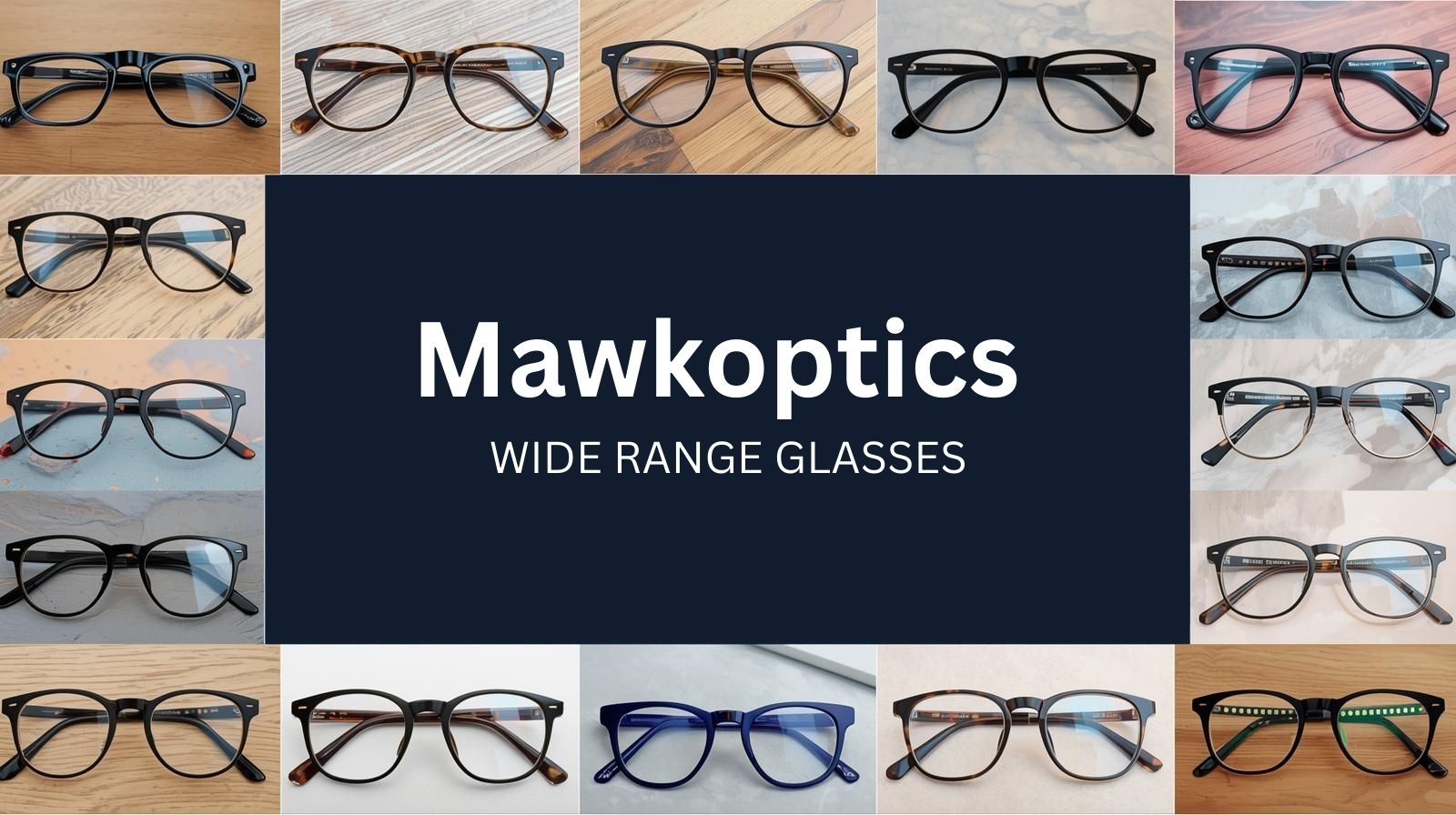
Eyeglasses have also evolved into an expression of personal identity and style. What was once viewed as purely functional has become a symbol of sophistication, intelligence, and individuality. The eyewear industry today offers an extraordinary range of designs, materials, and colors that cater to every taste and personality. From sleek minimalist frames to bold fashion statements, eyeglasses allow wearers to express themselves while enjoying the benefits of clear vision. For many, choosing the right pair of glasses is an empowering experience that enhances both appearance and self-confidence. This blend of form and function has made eyeglasses a unique intersection of medical necessity and fashion artistry.
Ultimately, the importance of eyeglasses transcends their physical function. They are instruments of empowerment that enable people to learn, work, connect, and thrive. They safeguard safety and comfort, enhance beauty and self-expression, and contribute to social and economic progress. As technology continues to evolve and access expands, eyeglasses will remain one of the most valuable tools for improving human life. The gift of clear sight—something so simple yet so profound—reminds us of how intertwined vision is with every aspect of our existence.
In a world increasingly defined by visual information, eyeglasses stand as a bridge between limitation and possibility. They bring the world into focus, helping us see not only what lies before our eyes but also the opportunities that clear vision reveals. Whether crafted from humble materials or the latest high-tech polymers, each pair of eyeglasses carries with it a promise: the promise of clarity, confidence, and connection. And in that promise lies the true essence of their importance—not merely as tools of vision correction, but as symbols of progress, dignity, and the human pursuit of a better, clearer world.