11/06/2025
Why UV Protection Glasses Are Essential for Kids: Protecting Children’s Eyes from Sun Damage
The Importance of UV Protection Glasses for Kids: Safeguarding Children’s Eye Health from the Sun’s Hidden Dangers https://mawkoptics.com/
Parents are often vigilant about protecting their children’s skin from the sun’s harmful rays. Sunscreen, hats, and shade are part of every outdoor routine. Yet, one vital area of protection frequently goes unnoticed—the eyes. Children’s eyes are particularly vulnerable to ultraviolet (UV) radiation, and long-term exposure can cause irreversible damage that may not show symptoms until much later in life. Understanding the importance of UV protection glasses for kids is not just about style or comfort; it is about laying the foundation for lifelong eye health and preventing future vision problems.
Children spend far more time outdoors than adults, especially during school breaks, playground activities, or sports. Studies have shown that nearly 80% of a person’s lifetime UV exposure occurs before the age of 18. This means that the early years of childhood are critical in determining how much UV radiation the eyes absorb. Because their visual systems are still developing, children’s eyes are not as equipped as adult eyes to filter out harmful rays. Without proper protection, every minute spent in the sun can quietly contribute to long-term eye damage.
To understand why this is such a serious concern, it’s essential to know what UV radiation actually is and how it affects the eyes. The sun emits two main types of ultraviolet rays that impact human health: UVA and UVB. UVA rays penetrate deep into the eye, causing gradual damage to internal structures like the retina and lens, which can lead to conditions such as cataracts and macular degeneration later in life. UVB rays, on the other hand, are more energetic and are primarily responsible for immediate surface damage, such as corneal burns or photokeratitis—a painful condition often compared to a “sunburn” of the eye. Both types of radiation are harmful, and both are present throughout the day, even when it’s cloudy or overcast. This makes continuous eye protection necessary, not just on bright sunny days.https://mawkoptics.com/
Children’s eyes are biologically more susceptible to UV damage for several reasons. The crystalline lens inside a child’s eye is clearer than that of an adult, allowing more UV radiation to reach the retina. In fact, children’s lenses can transmit up to 70% more UV light compared to adult lenses. Moreover, their pupils are typically larger, which means even more light enters the eye. This combination results in higher internal exposure to UV rays during crucial years of visual development. The consequences of this exposure are cumulative—meaning that damage builds up over time, quietly laying the groundwork for problems that may not become apparent until adulthood.
Research has consistently highlighted the dangers of childhood UV exposure. Prolonged and unprotected exposure to sunlight during the early years has been linked to a higher risk of cataracts, pterygium (a growth on the white part of the eye), and age-related macular degeneration later in life. Even short-term exposure can lead to painful conditions such as photokeratitis, especially after long hours at the beach, in the snow, or near reflective surfaces like water or pavement. Unlike adults, children may not recognize or express discomfort caused by UV damage, making it even more important for parents to take preventive steps.https://mawkoptics.com/
The long-term consequences of early UV damage extend beyond vision clarity—they affect overall eye function and health. UV radiation accelerates the aging of eye tissues, leading to premature lens clouding and the breakdown of retinal cells. Since these cells do not regenerate, once the damage is done, it’s permanent. Protecting children’s eyes early can significantly reduce the risk of developing chronic eye conditions and vision impairment in adulthood. It is a simple yet powerful investment in their future well-being.
Fortunately, preventing UV damage is straightforward and highly effective when approached correctly. High-quality UV protection glasses for kids serve as a shield against both UVA and UVB rays, blocking nearly 100% of harmful radiation. Unlike regular fashion sunglasses, true UV protection glasses are designed specifically to safeguard delicate eye structures while allowing comfortable vision in bright environments. Parents should be cautious when purchasing eyewear for children, as not all sunglasses marketed for kids offer adequate protection. The label “UV400” indicates full coverage against UVA and UVB rays and should be the standard when choosing protective eyewear.
Selecting the right UV protection glasses involves more than just checking the label. Fit, comfort, and durability are equally important factors. Glasses that do not fit well may allow sunlight to enter from the sides or top, reducing their effectiveness. Children are also more likely to remove uncomfortable eyewear, defeating the purpose of protection. Therefore, it’s essential to find lightweight, flexible frames that sit comfortably on the nose and behind the ears. Polycarbonate lenses are ideal for children’s sunglasses, as they are impact-resistant, provide 100% UV protection, and are much safer than glass or low-quality plastic lenses.
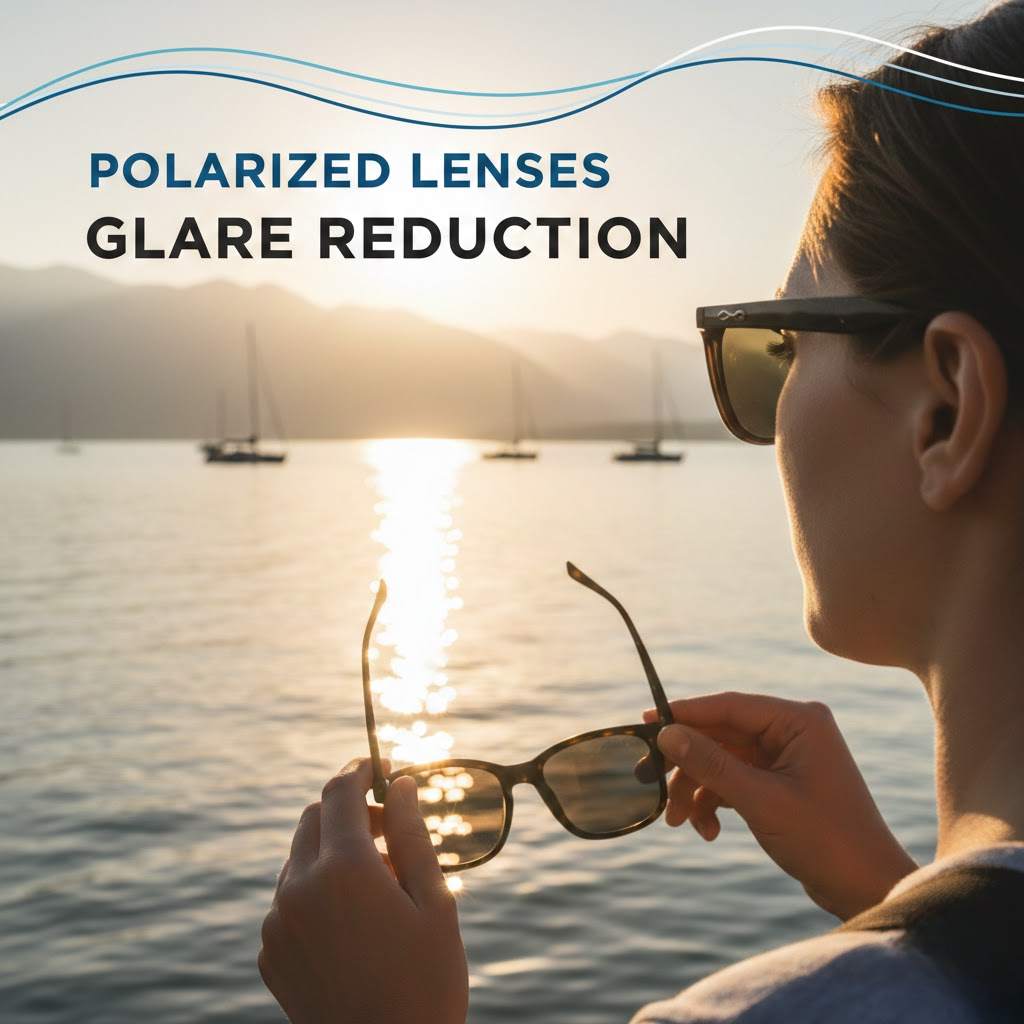
Parents often wonder whether tinted or polarized lenses make a difference. While tint alone does not indicate UV protection, polarized lenses can enhance visual comfort by reducing glare from reflective surfaces like water, sand, and car windows. This can be especially useful for children who spend time outdoors during sports or recreation. However, the most crucial factor remains UV protection—tint and polarization are secondary benefits.https://mawkoptics.com/
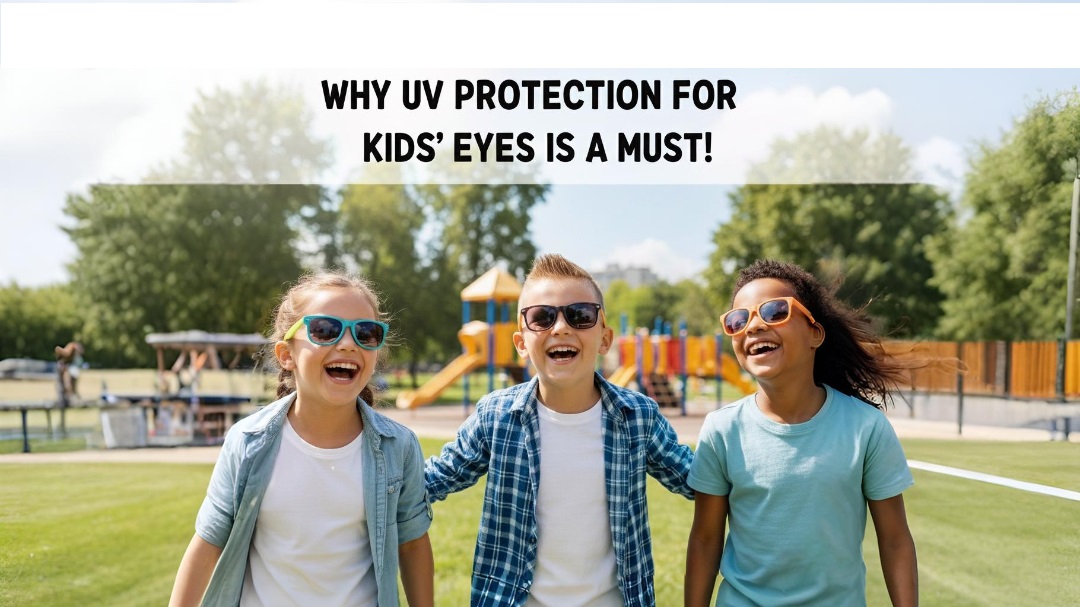
Encouraging children to wear their UV protection glasses consistently can be a challenge, especially for younger ones who may resist unfamiliar accessories. The key is to make the experience enjoyable and routine. Allowing children to choose their favorite frame color or style gives them a sense of ownership and pride, making them more likely to wear their glasses. Modeling good behavior is also powerful—when parents wear their own sunglasses, children are more inclined to copy them. Framing UV glasses as a “cool” or “grown-up” item rather than a medical necessity helps reinforce positive habits.
In addition to eyewear, parents can adopt complementary habits to enhance UV protection for their children’s eyes. Encouraging playtime in shaded areas during peak sunlight hours, using wide-brimmed hats, and avoiding direct sunlight exposure around midday are all simple yet effective practices. However, these measures should never replace UV protection glasses; instead, they should work in harmony with them.
Another factor to consider is that UV radiation is not limited to summer months. Snow, sand, and even concrete can reflect UV rays, amplifying exposure by up to 80%. This means that children are at risk during winter sports, family trips, and everyday activities alike. UV protection glasses should therefore be treated as an all-year essential, not a seasonal accessory.
As awareness grows about the impact of UV rays on children’s eye health, more parents are recognizing the need for early intervention. Pediatricians and optometrists increasingly emphasize preventive eye care as part of overall child wellness. Regular eye check-ups are an excellent opportunity to discuss UV protection with healthcare providers and ensure that children’s eyewear meets the recommended standards.https://mawkoptics.com/
Investing in quality UV protection glasses for kids is not merely about preventing discomfort or temporary glare; it is about preventing lifelong vision problems. The eyes are among the most sensitive organs in the body, and once UV damage occurs, it cannot be reversed. By prioritizing protection today, parents can help their children enjoy healthy, strong vision well into adulthood.
In the broader context of child wellness, UV protection should be considered as fundamental as sunscreen. Just as parents teach their children to brush their teeth and wear helmets for safety, they should also instill the habit of protecting their eyes from the sun. It’s a small action that carries immense long-term benefits, ensuring that the next generation grows up with the gift of clear, healthy vision.
Ultimately, the importance of UV protection glasses for kids cannot be overstated. Children’s eyes are developing, delicate, and disproportionately affected by UV exposure. Every moment spent outdoors without adequate protection adds to a lifetime of accumulated risk. Parents have the power to change that narrative through awareness, action, and consistency. Choosing the right UV protection glasses and encouraging daily use is one of the simplest and most impactful ways to protect children’s eye health, supporting their growth, comfort, and confidence under the sun.https://mawkoptics.com/
In today’s world, where outdoor activities and screen exposure both play major roles in children’s lives, safeguarding their vision is more crucial than ever. By understanding the dangers of UV radiation and taking proactive measures, parents can ensure that their children’s eyes are not only protected today but preserved for a lifetime. After all, healthy eyes open the window to learning, discovery, and the beauty of the world around them—and that’s a gift every child deserves to keep forever.https://mawkoptics.com/