10/28/2025
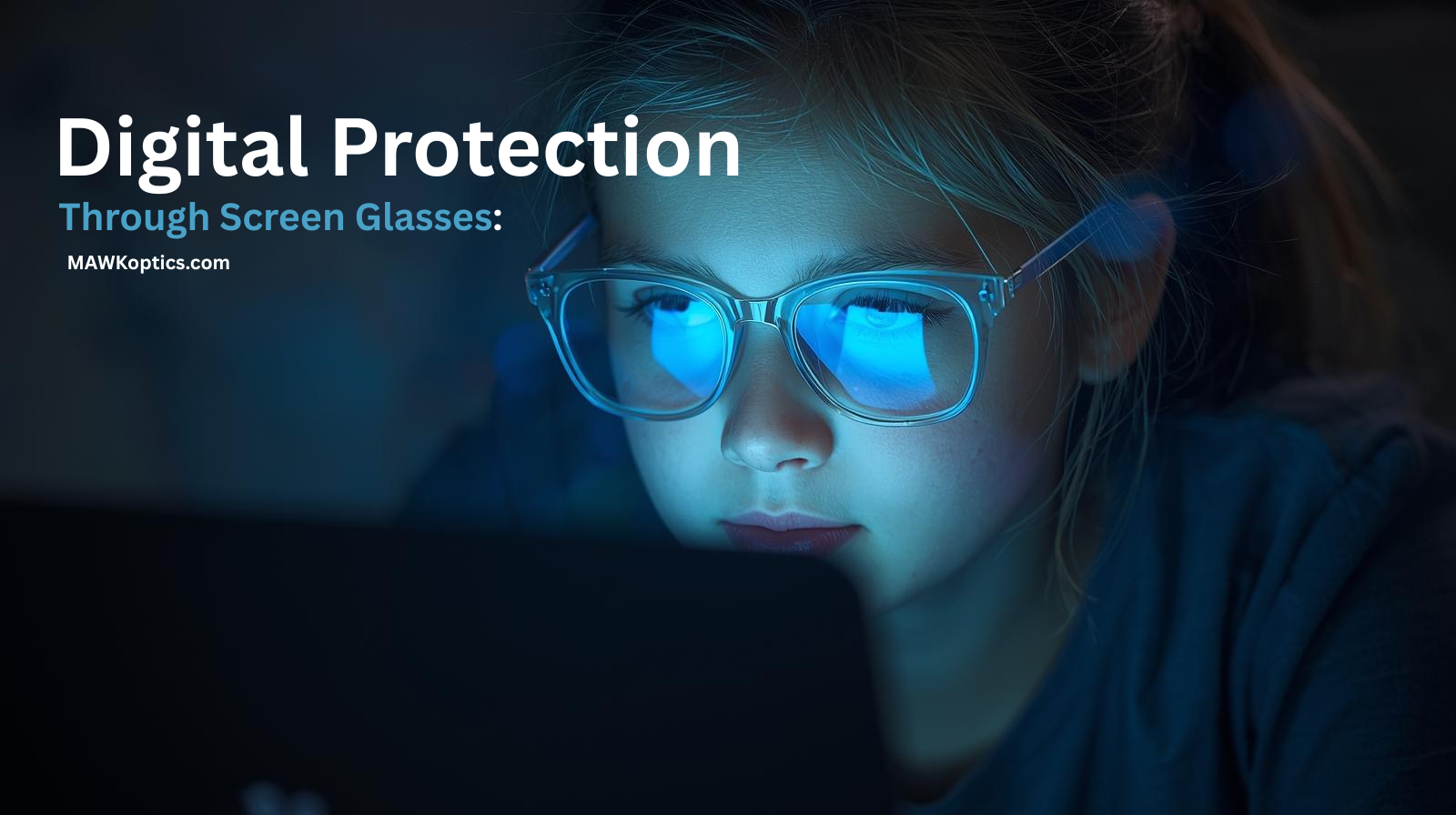
Digital Protection with Screen Glasses | Prevent Eye Strain
In today’s digital world, we spend more time in front of screens than ever before. From laptops and smartphones to tablets and televisions, our eyes are constantly exposed to the artificial glow of digital devices. While technology has made life more convenient, it has also introduced a new health challenge digital eye strain, also known as computer vision syndrome. If you’ve ever felt your eyes burn, blur, or ache after a long day of screen time, you’re not alone. Studies show that over 60% of adults experience symptoms of digital eye strain, and this number is only increasing as remote work and online learning continue to rise. Fortunately, there’s a simple and stylish solution: screen glasses also known as blue light glasses or digital protection eyewear. In this guide, we’ll explore what digital eye strain is, how screen glasses work, their benefits, what to look for when buying them, and additional eye health tips to help you stay comfortable and productive in our screen-filled world.
What Is Digital Eye Strain?
Digital eye strain refers to a group of vision-related problems caused by prolonged use of computers, smartphones, and other digital screens. The condition develops when your eyes work harder than normal to focus on digital displays for extended periods. Common symptoms include eye dryness or irritation, blurred or double vision, headaches or migraines, neck and shoulder pain, difficulty focusing after screen use, and increased sensitivity to light. The main cause lies in blue light exposure and the constant focusing effort required when looking at close-up digital screens. Unlike printed text, digital screens flicker, emit glare, and display characters with less contrast, all of which make your eyes work overtime. According to the American Optometric Association, more than 80% of computer users report visual discomfort when exposed to screens for more than two hours at a time. That means if your work or lifestyle involves digital devices (which it likely does), you’re at risk of developing these symptoms.
The Role of Blue Light in Eye Fatigue
Blue light is a high-energy visible (HEV) light emitted by digital screens, LED lighting, and even sunlight. While not all blue light is harmful, prolonged exposure to artificial blue light particularly at night can disrupt your body’s natural rhythms and strain your eyes. Blue light has a short wavelength and high energy, meaning it scatters more easily than other visible light, which makes it harder for your eyes to focus. It also affects sleep cycles because it suppresses melatonin, the hormone responsible for sleep, leading to insomnia or poor-quality rest. Some research even suggests that chronic blue light exposure may contribute to retinal stress and age-related macular degeneration over time. This is where screen glasses come in they act as a protective shield between your eyes and digital light sources.
How Screen Glasses Work
Screen glasses, also known as blue light blocking glasses, are designed with special lenses that filter out harmful blue light and reduce glare from screens. They don’t completely eliminate blue light — and that’s a good thing — because some blue light exposure is essential for maintaining healthy circadian rhythms. Instead, they selectively filter the high-energy wavelengths that cause digital fatigue. The key features that make them effective include a blue light filter coating that reduces the intensity of high-energy light, an anti-reflective coating that minimizes reflections from computer screens and overhead lights, UV protection that shields eyes from ultraviolet rays, and anti-glare technology that improves clarity and contrast while reducing brightness stress. These features work together to make your screen time more comfortable, reduce dryness, and help you focus longer without discomfort.
Benefits of Wearing Screen Glasses
Screen glasses aren’t just a trend — they’re an essential health tool for anyone who spends hours on digital devices. The most immediate benefit is relief from eye fatigue. By filtering blue light and minimizing glare, screen glasses prevent your eyes from overworking, making long work sessions or study hours more comfortable. When your eyes aren’t strained, you can focus better, maintain sharpness and clarity, and improve reading comfort and visual performance during extended computer use. Wearing blue light glasses in the evening also helps maintain natural melatonin production, allowing your body to wind down properly. You’ll fall asleep faster and enjoy deeper rest, even after late-night screen sessions. Prolonged blue light exposure can contribute to cumulative retinal stress. By wearing protective eyewear, you reduce potential long-term risks like macular degeneration and chronic dryness. Moreover, modern screen glasses come in trendy designs that enhance your appearance while protecting your eyes. Whether you’re in a meeting or studying at a café, they give you a sharp, intellectual look.
What to Look for When Buying Screen Glasses
With so many options available, choosing the right pair of screen glasses can feel overwhelming. To ensure you’re getting both protection and comfort, there are several features you should keep in mind. First, check the blue light blocking percentage. Look for lenses that block at least 30–50% of blue light in the high-energy range (400–450 nm). Higher isn’t always better — blocking too much can distort colors. Second, choose glasses with an anti-reflective coating. This reduces glare from both the front and back of the lenses, improving clarity and comfort, especially if you work under fluorescent or LED lights. Third, opt for lenses with UV protection. Even indoors, UV rays can reach your eyes through windows, so built-in UV protection is a major plus. Fourth, focus on comfort and fit. Lightweight frames with adjustable nose pads and flexible hinges ensure you can wear your glasses for hours without discomfort. Lens clarity also matters — high-quality lenses should offer clear, undistorted vision without a yellow tint unless designed specifically for heavy-duty protection. Lastly, if you already wear prescription glasses, consider getting blue light protection lenses with your prescription so you don’t have to compromise on vision correction.
Practical Tips for Maintaining Digital Eye Health
While screen glasses are highly effective, they work best when combined with healthy visual habits. The 20-20-20 rule is a great starting point — every 20 minutes, look at something 20 feet away for at least 20 seconds. This simple trick relaxes your eye muscles and prevents strain buildup. Adjust your screen settings to reduce brightness and activate your device’s “night mode” or “blue light filter” in the evening. Position your screen about 20–28 inches from your eyes, slightly below eye level, and maintain good posture. Blink more often because we tend to blink 60% less while using screens, leading to dryness. Make a conscious effort to blink regularly or use artificial tears if necessary. Ensure you have proper lighting to avoid glare, and never work in a dim room with a bright screen. Finally, get regular eye checkups. Visit an optometrist at least once a year to ensure your prescription is up to date and your eyes are healthy.
The Future of Digital Eye Protection
As screen time continues to rise, digital eye protection is becoming more than just a personal health choice — it’s a modern necessity. The eyewear industry is evolving rapidly, with new lens technologies that not only filter blue light but also adapt automatically to screen brightness and environmental lighting. Brands are now introducing photochromic blue light lenses, anti-fog coatings, and custom-fit digital protection eyewear for different screen users — from office workers to gamers. These innovations ensure comfort, style, and health go hand in hand.
Conclusion: Protect Your Eyes, Empower Your Vision
In the digital age, our eyes are constantly under pressure. Whether you’re coding, studying, or binge-watching your favorite series, screen glasses offer a practical, effective, and stylish way to protect your vision. By reducing blue light exposure, minimizing glare, and improving focus, they not only enhance your comfort but also safeguard your long-term eye health. If you value your productivity and well-being, investing in high-quality blue light protection glasses is one of the smartest decisions you can make. Pair them with good screen habits and regular eye care, and your vision will thank you for years to come.